“Woodfree”, “coated”, “uncoated” — the different coated or uncoated paper types can be confusing. Yet your paper choice largely determines how your book looks and feels. Here you can read what the main paper types are and what you use them for.
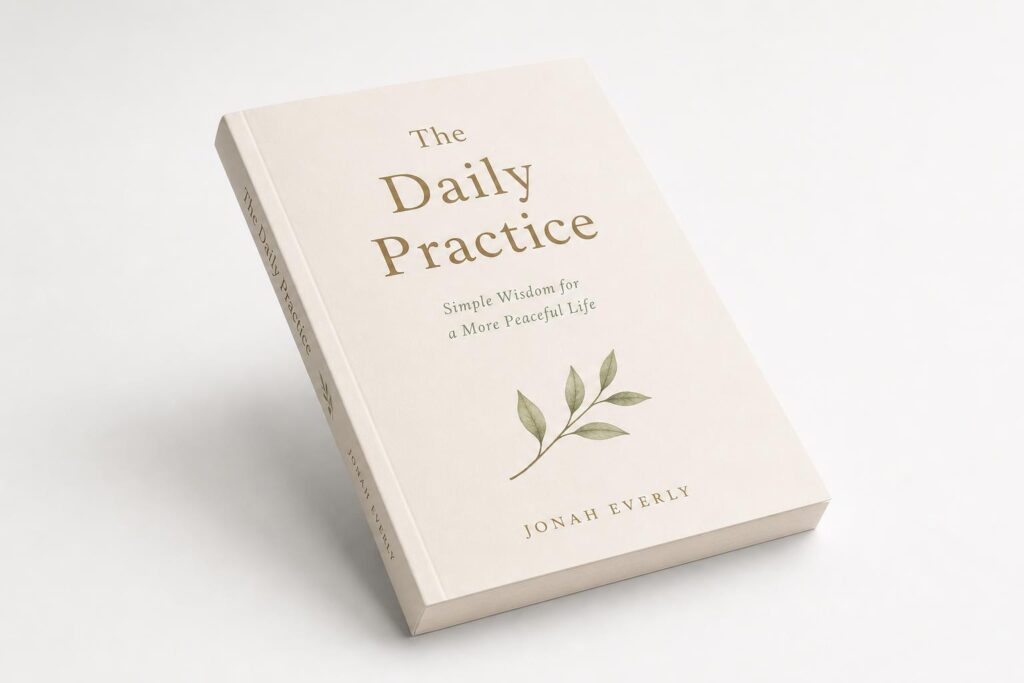
Coated paper
Coated paper has a thin coating that makes it smooth, so ink penetrates less. Colours therefore come across saturated and sharp. Ideal for photo books, art books and magazines. Available in matt, silk and gloss.
Uncoated paper
Uncoated paper has no coating, feels more natural and rougher and is pleasant to read. Perfect for novels, text books and an authentic look. Colours appear a little softer than on coated paper.
Woodfree paper
“Woodfree” means that the paper is made from purified cellulose fibres without wood residue (lignin). It yellows less quickly and is more durable in quality, a good choice for books that have to stay beautiful for a long time.
Coated or uncoated paper: which one do you choose?
- Lots of imagery and colour: coated (matt or gloss).
- Lots of text and reading comfort: uncoated, woodfree.
- Long lifespan: woodfree paper.
Our specialists are happy to advise you on the paper type that suits the content and the look of your book.
Grammage: the weight of paper
Besides the paper type, the grammage counts: the weight in grams per square metre. Lighter paper (80–90 gsm) keeps a book supple and light; heavier paper (120–170 gsm) feels more luxurious but makes a thick book unwieldy. For the cover you use board of 250 gsm or more.
You can read more about choosing the right weight in our article on paper weight and grammage.
Choosing sustainable paper
More and more customers deliberately choose sustainable paper. Look for the FSC label, which guarantees that the wood comes from responsibly managed forests. You can read more about the label at FSC.
Coated or uncoated paper and readability
For a book you read for hours on end, comfort counts for more than colour power. Uncoated paper reflects hardly any light, so your eyes tire less quickly; coated gloss bounces the light of your reading lamp straight back and starts to irritate after half an hour. That is why novels, study books and manuals are almost always on uncoated paper, even though the illustrations would look better on coated stock.
The shade plays a part as well. Paper with a light cream tone gives less contrast than bright white and reads more comfortably for many people. For imagery bright white works better, because colours come out purer on it. If your book sits between the two, coated matt is the compromise: calm enough to read, closed enough for sharp photos. Not sure which paper type suits your book? Our specialists are happy to think along with you.
Volume: why grams do not tell the whole story
Two papers of 90 g/m² can be noticeably different in thickness. That is down to volume, also called bulk: how many millimetres a sheet builds up at a given weight. Paper with a high volume feels airier and gives a thin edition a decent spine anyway, without making the book heavier.
That is exactly why novel paper exists: few grams, plenty of thickness. For a poetry collection or a novella of eighty pages that makes the difference between a booklet that disappears on the shelf and an edition with a readable spine. If you switch paper, bear in mind that your spine width changes; recalculate it with the spine width calculator before you finalise your cover.
Frequently asked questions about paper types for printing
What is the difference between coated and uncoated?
Coated paper has a coating that makes colours come across sharper and deeper. Uncoated paper has no coating, feels more natural and reads more calmly.
What does woodfree mean?
Woodfree paper is made from purified wood fibres without lignin. As a result it yellows less quickly and lasts longer.
Which paper for a photo book?
Coated silk or gloss of 150 gsm or more, so that photos come across sharp and deep without showing through.